
What Does Tire Rotation Mean?
Understanding the Essential Maintenance Practice That Extends Your Tires' Life
If you've ever wondered what your mechanic means when they mention "tire rotation," you're not alone. This simple yet crucial maintenance practice involves systematically moving your tires from one position to another on your vehicle to ensure even wear patterns. At Bill's Automotive, we've been helping Holland, MI drivers understand and maintain their vehicles since 1965, and tire rotation remains one of the most overlooked yet beneficial services we provide. Understanding tire rotation can save you hundreds of dollars in premature tire replacement costs while keeping you safer on Michigan's diverse road conditions. Whether you're navigating the sandy shores near Lake Macatawa or dealing with the seasonal challenges of West Michigan weather, proper tire rotation ensures your vehicle maintains optimal traction and performance year-round.
Why Your Tires Wear Unevenly Without Regular Rotation
Your vehicle's tires don't wear at the same rate due to several mechanical and environmental factors that create natural imbalances. The front tires typically handle steering, braking, and often acceleration in front-wheel-drive vehicles, causing them to wear faster than rear tires. Additionally, slight differences in wheel alignment, tire pressure variations, and suspension components create unique wear patterns on each tire position. In Holland's climate, where we experience everything from summer heat to winter snow and ice, these wear patterns become even more pronounced as tires adapt to changing road conditions. Your vehicle's weight distribution also plays a role, as the engine's location creates heavier loads on certain tire positions. Without rotation, you might find yourself replacing two tires at a time instead of a complete set, which can compromise your vehicle's handling and safety. Regular rotation ensures that each tire experiences different positions and stress patterns, allowing them to wear evenly and reach their full lifespan potential.
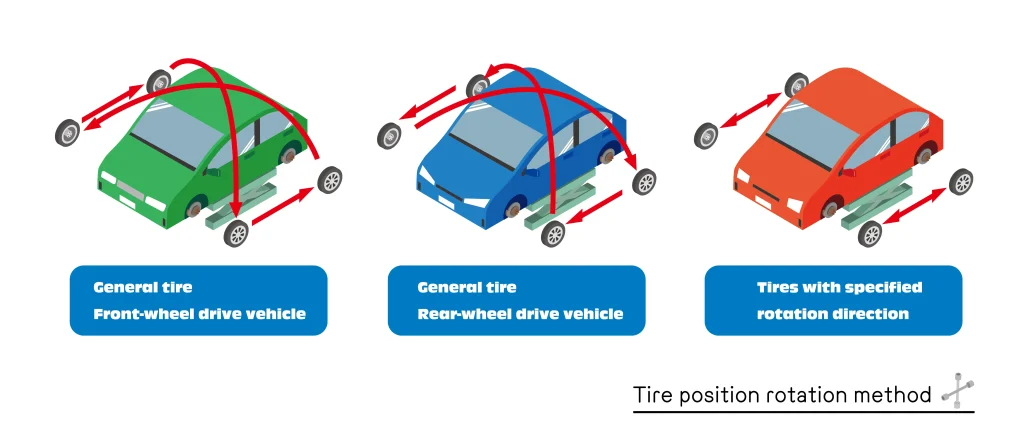
The Proper Tire Rotation Patterns for Different Vehicle Types
Different vehicles require specific rotation patterns based on their drive system and tire configuration to achieve optimal results. Front-wheel-drive vehicles, which are common in Holland due to their excellent traction in snow, typically use a forward cross pattern where front tires move straight back and rear tires cross to the front opposite sides. Rear-wheel-drive vehicles often benefit from a rearward cross pattern, moving rear tires straight forward and crossing front tires to the rear. All-wheel-drive vehicles may require an X-pattern rotation or manufacturer-specific patterns due to their complex drivetrain systems. Vehicles with directional tires or different front and rear tire sizes may have limited rotation options, sometimes only allowing side-to-side movement. At Bill's Automotive, our experienced technicians understand these nuances and follow manufacturer recommendations to ensure your rotation provides maximum benefit. We also inspect each tire during rotation for signs of damage, irregular wear, or embedded debris that could indicate alignment issues or other mechanical problems requiring attention.
When and How Often You Should Rotate Your Tires
Most tire manufacturers and vehicle makers recommend tire rotation every 5,000 to 7,500 miles, which typically coincides with regular oil change intervals for convenient scheduling. However, driving conditions in Holland and surrounding Ottawa County can influence this timeline, particularly if you frequently drive on the sandy roads near Lake Michigan or deal with the stop-and-go traffic along US-31. Severe driving conditions such as frequent highway driving, heavy towing, or aggressive driving may require more frequent rotations every 3,000 to 5,000 miles. You should also consider rotation if you notice uneven tread wear, vibration while driving, or decreased traction in wet or snowy conditions. Many drivers find it easiest to schedule tire rotation during their regular maintenance visits, allowing technicians to inspect the entire tire and wheel assembly simultaneously. Signs that you've waited too long between rotations include visible tread depth differences between tires, cupping or scalloping patterns on tire edges, or premature wear on specific tire positions. Keeping detailed maintenance records helps track rotation intervals and ensures you maximize your tire investment while maintaining optimal vehicle safety and performance.
Frequently Asked Questions About Tire Rotation
How much does tire rotation cost? Tire rotation costs vary based on your vehicle type and local service rates, but it's typically one of the most affordable maintenance services available.
Can I rotate my tires myself? While possible with proper tools and knowledge, professional rotation ensures correct patterns and includes safety inspections that identify potential issues early.
Do all-wheel-drive vehicles need tire rotation? Yes, all-wheel-drive vehicles often require more frequent rotation due to the complex stress patterns created by their drivetrain systems.
What happens if I never rotate my tires? Without rotation, you'll experience premature tire replacement, reduced traction, poor fuel economy, and potentially unsafe driving conditions.
Should I rotate my tires if they're different sizes front and rear? Vehicles with staggered tire setups may only allow side-to-side rotation or may not be rotatable at all, depending on the specific configuration.
Don't let uneven tire wear drain your budget or compromise your safety on Holland's roads. Schedule your tire rotation service today at Bill's Automotive by calling (616) 392-2198 or visiting us at 707 Washington Ave, Holland, MI 49423. Our experienced team will ensure your tires wear evenly and provide maximum value for your investment.